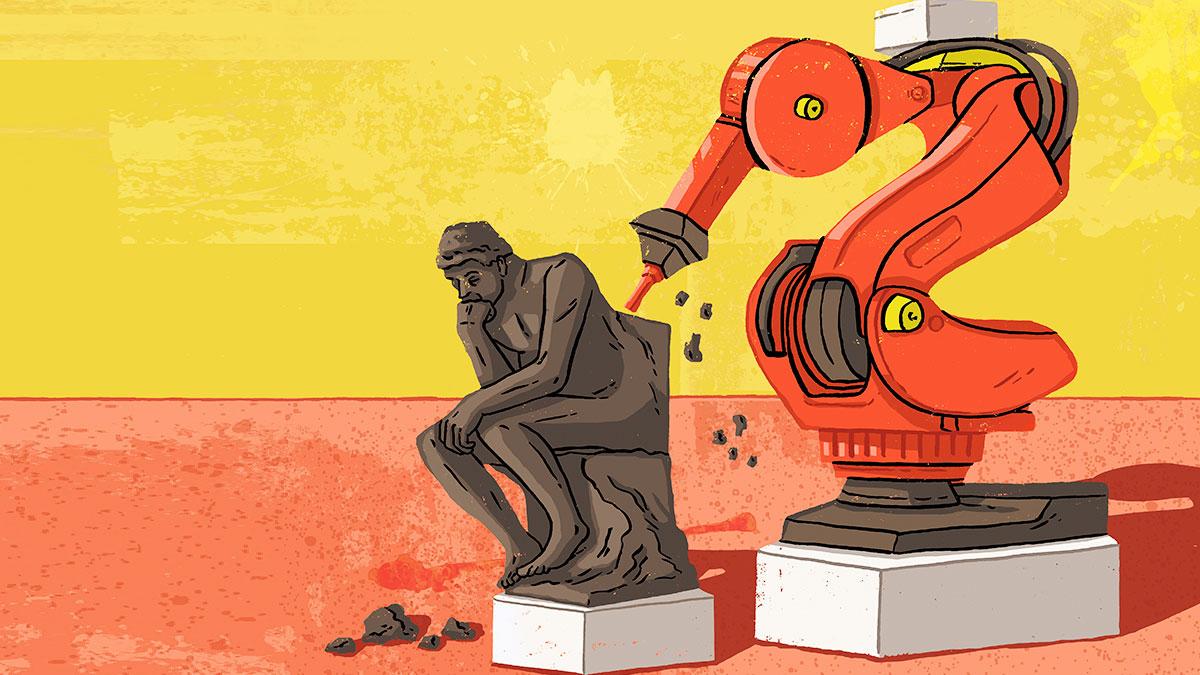
AI overgets our thinking
April 14th, 2026
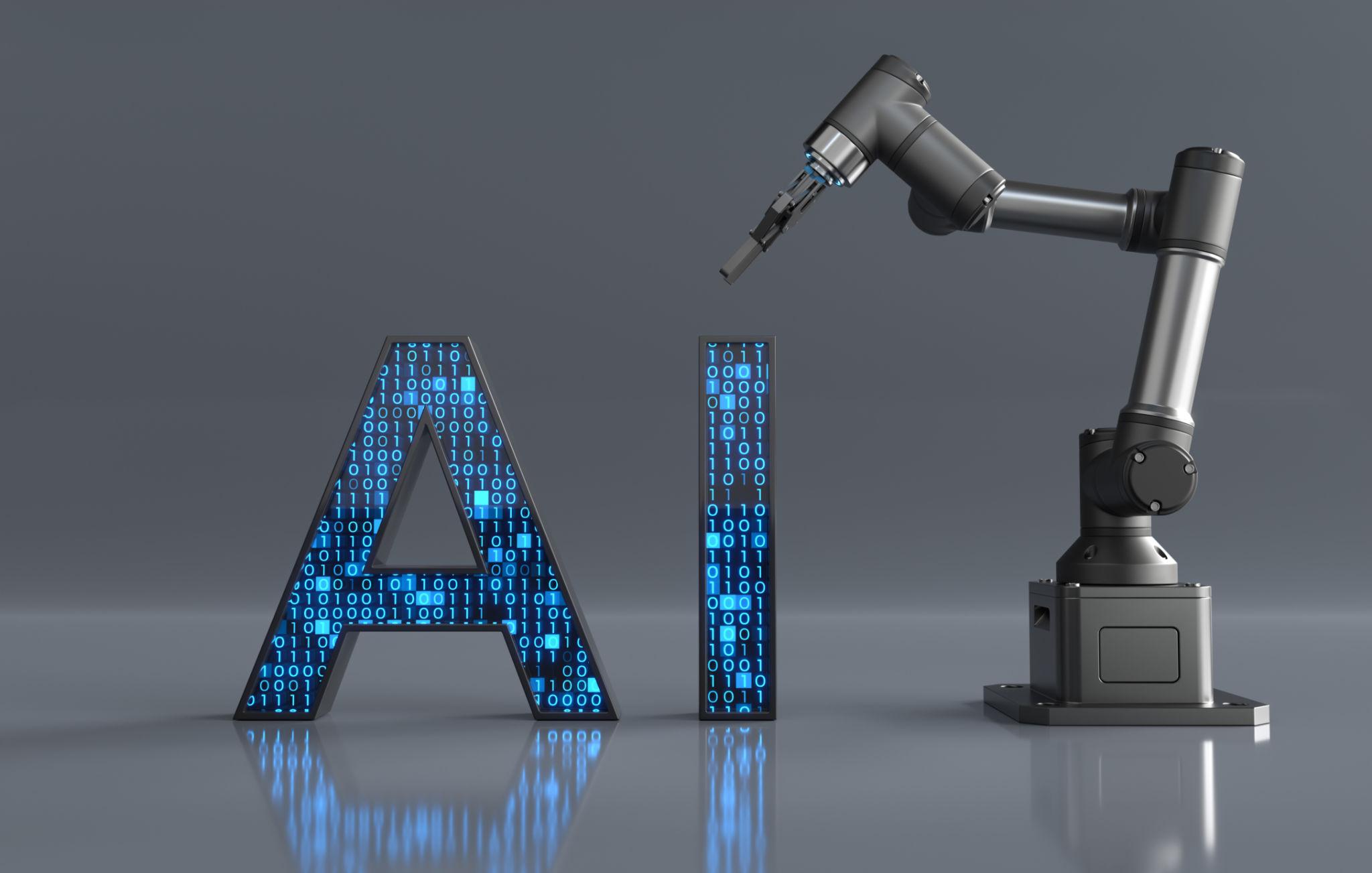
Can we loose our thinking autonomy?
Is AI doing our thinking for us?
Why we do rely on AI to think for us?
How do we often choose easier way to achieve goals with AI than doing it harder way alone?
All of these things we will try release down below in my article.
Follow the text to get to know about two faces of AI technology that ruins or build of our world.
Answer for yourself which side of it you do select?
Are We Losing Our Thinking Autonomy in the Age of AI?
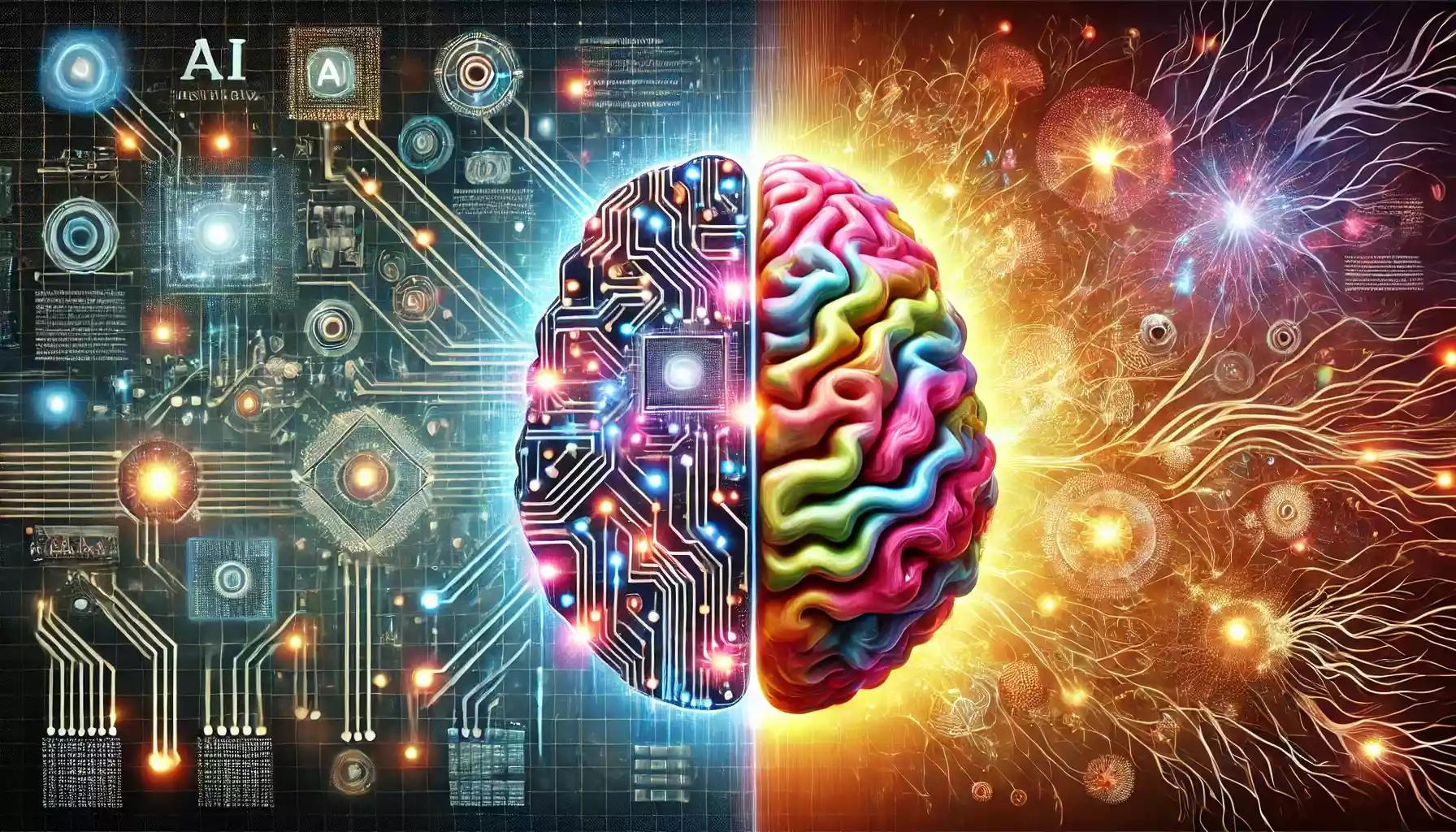
Artificial Intelligence is no longer a futuristic idea — it’s part of our everyday reality.
We ask AI what to write, what to buy, where to go, and even how to think about complex topics.
This raises an important question:
are we slowly losing our ability to think independently?

Can We Lose Our Thinking Autonomy?
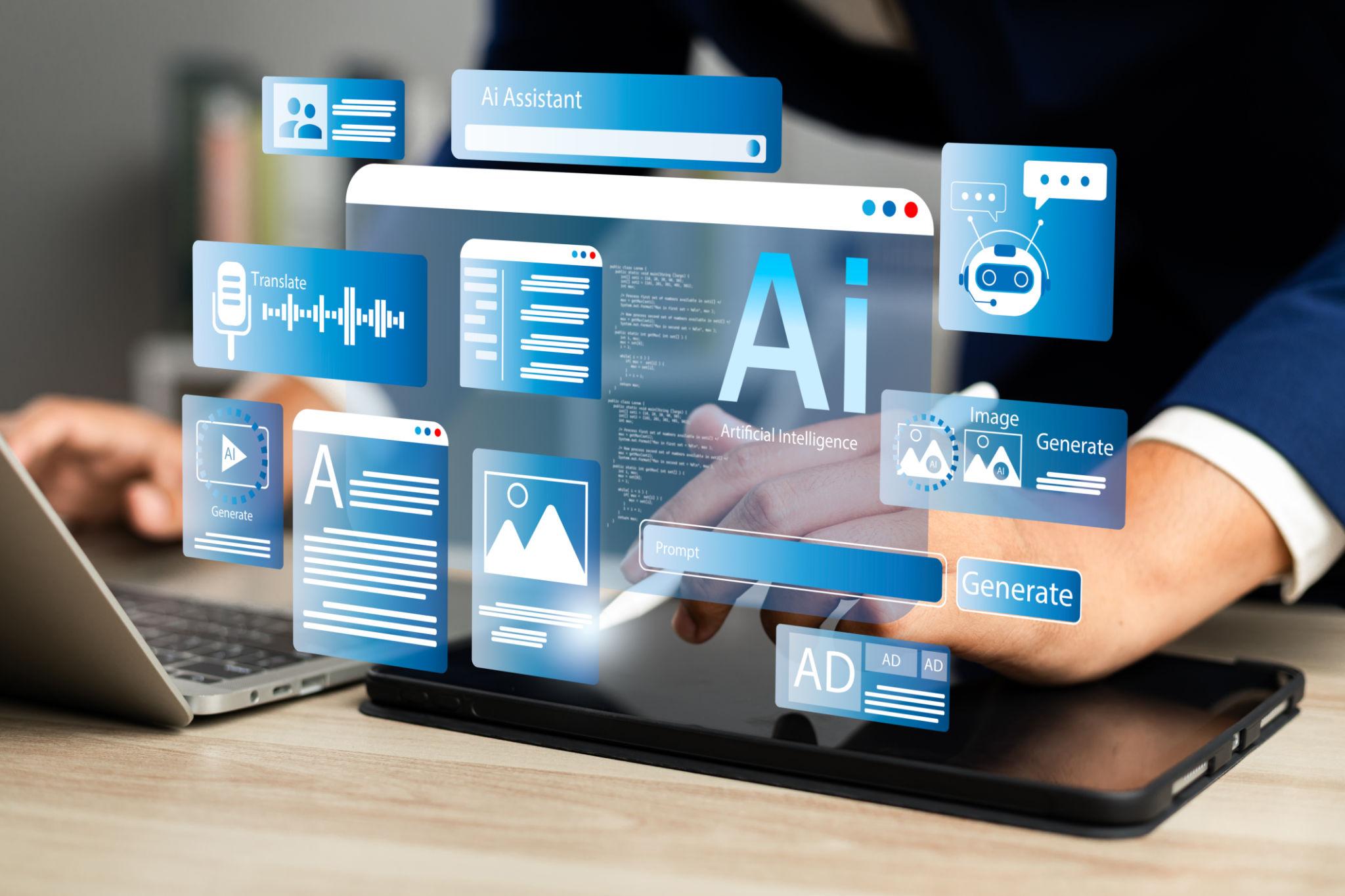
Thinking autonomy means the ability to form our own opinions, analyze information critically.
And make decisions without relying too heavily on external tools.
The short answer is:
yes, we can weaken it — but not necessarily lose it completely.
When we constantly depend on AI for answers, we may: Stop questioning information.
Avoid deep thinking or problem-solving. Accept ready-made conclusions without reflection.
Over time, this can make our thinking more passive.
Just like muscles weaken without use, our critical thinking skills can decline if we don’t actively practice them.
Is AI Doing Our Thinking for Us?
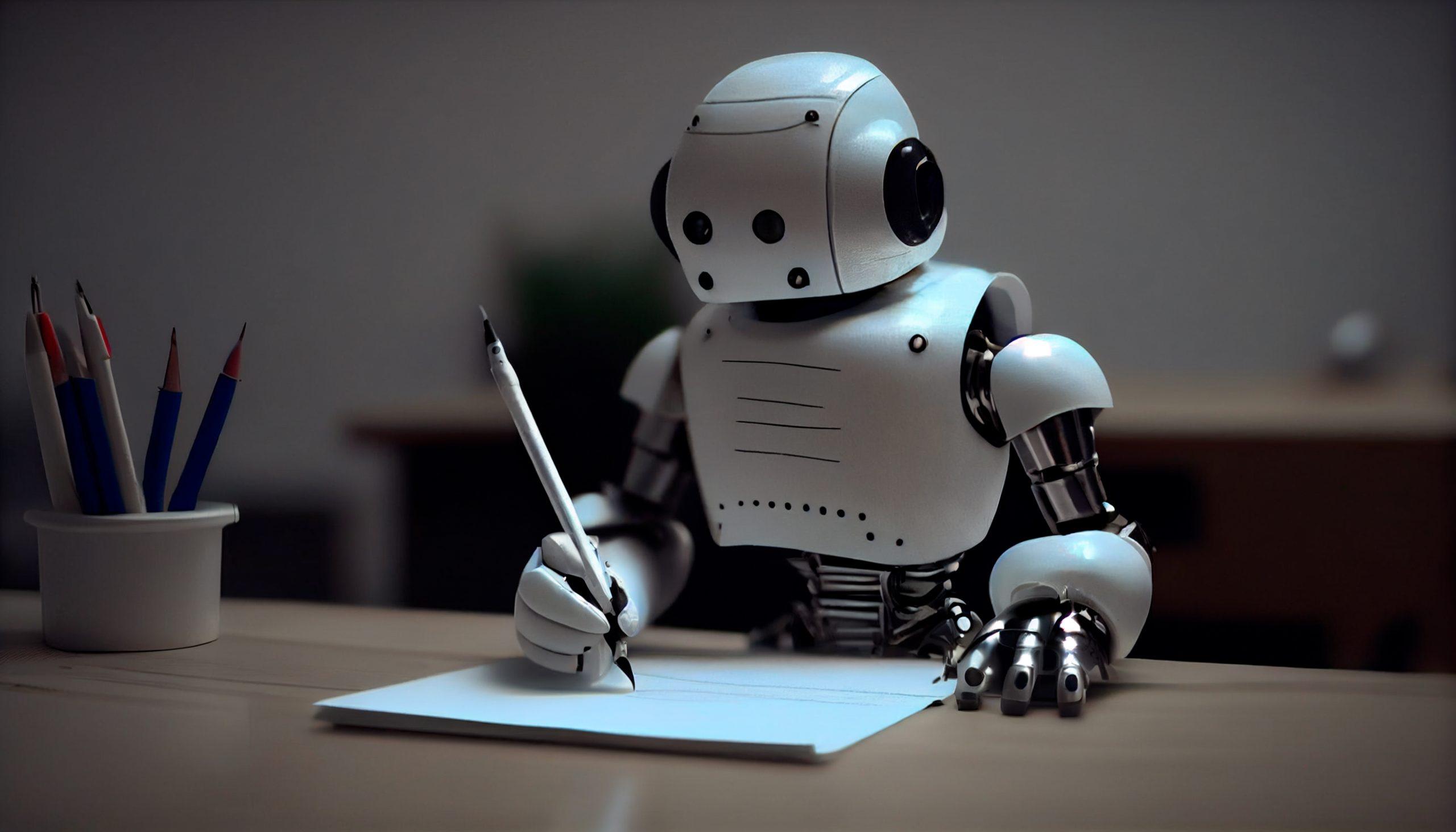
AI doesn’t literally “think” for us — but it often
replaces parts of our thinking process.
For example:
Instead of researching, we ask AI for summaries
Instead of writing, we generate full texts
Instead of analyzing, we rely on AI explanations
This creates a subtle shift from thinking to selecting answers.
The danger isn’t AI itself.
It’s how easily we can become passive users instead of active thinkers.
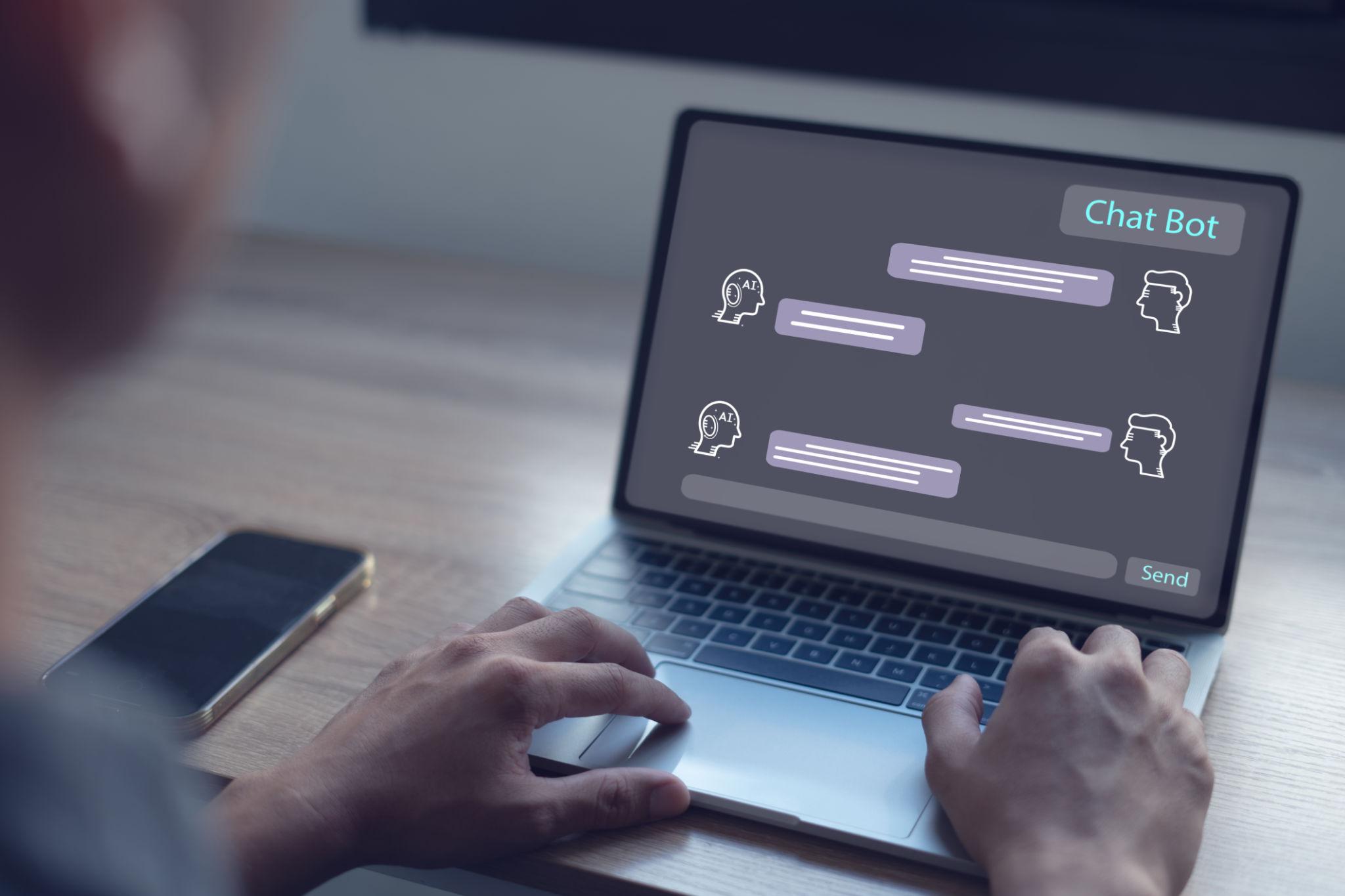
Why Do We Rely on AI So Much?
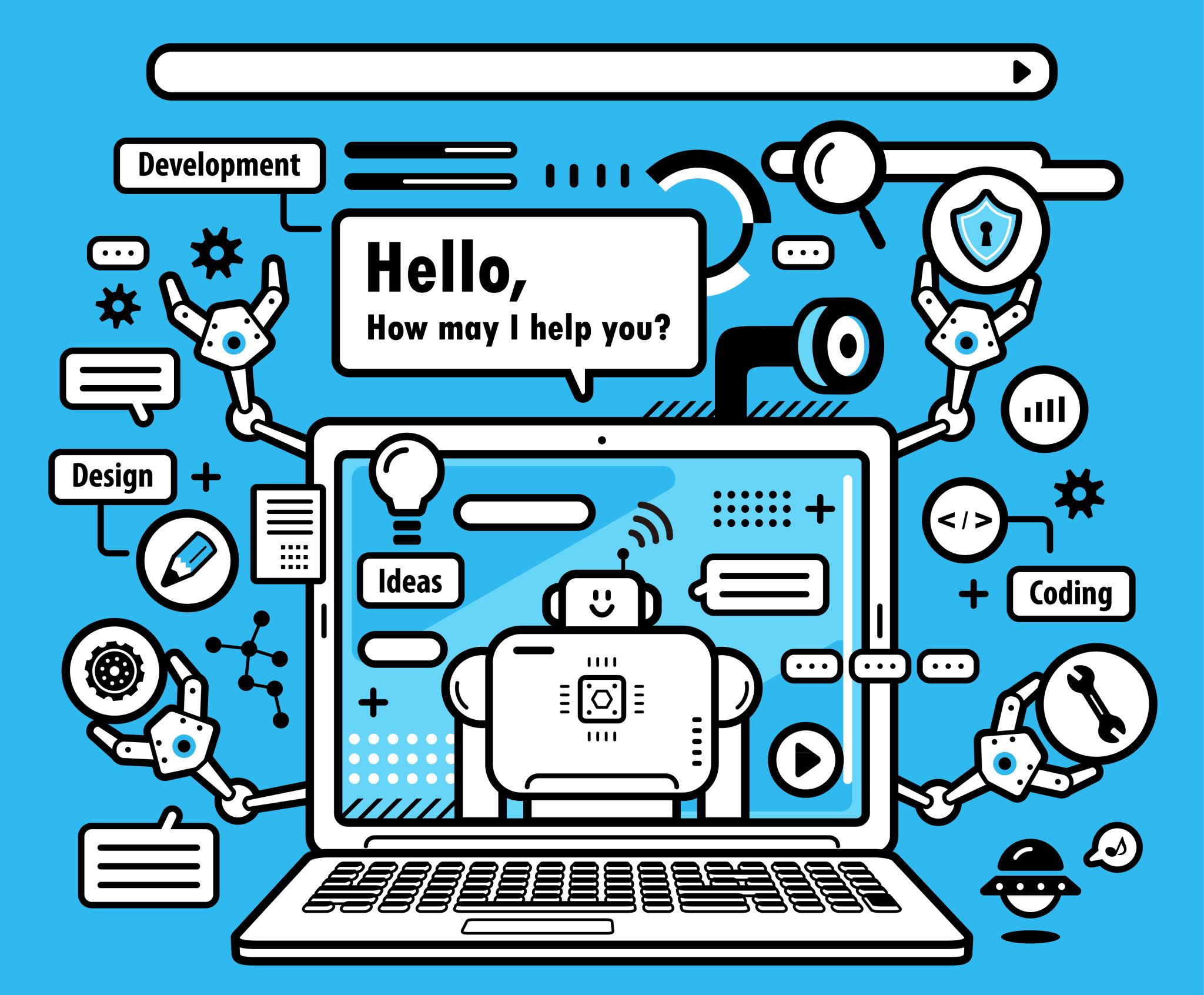
There are several reasons why people increasingly depend on AI:
Convenience
AI gives instant answers. It’s faster than searching, reading, and analyzing.
Cognitive effort
Thinking deeply requires time and energy. AI reduces that effort, which is naturally appealing.
Information overload
We live in a world full of information. AI helps filter it, but also makes us dependent on that filtering.
Trust in technology
Many people assume AI is objective and accurate, even when it can be biased or incorrect.
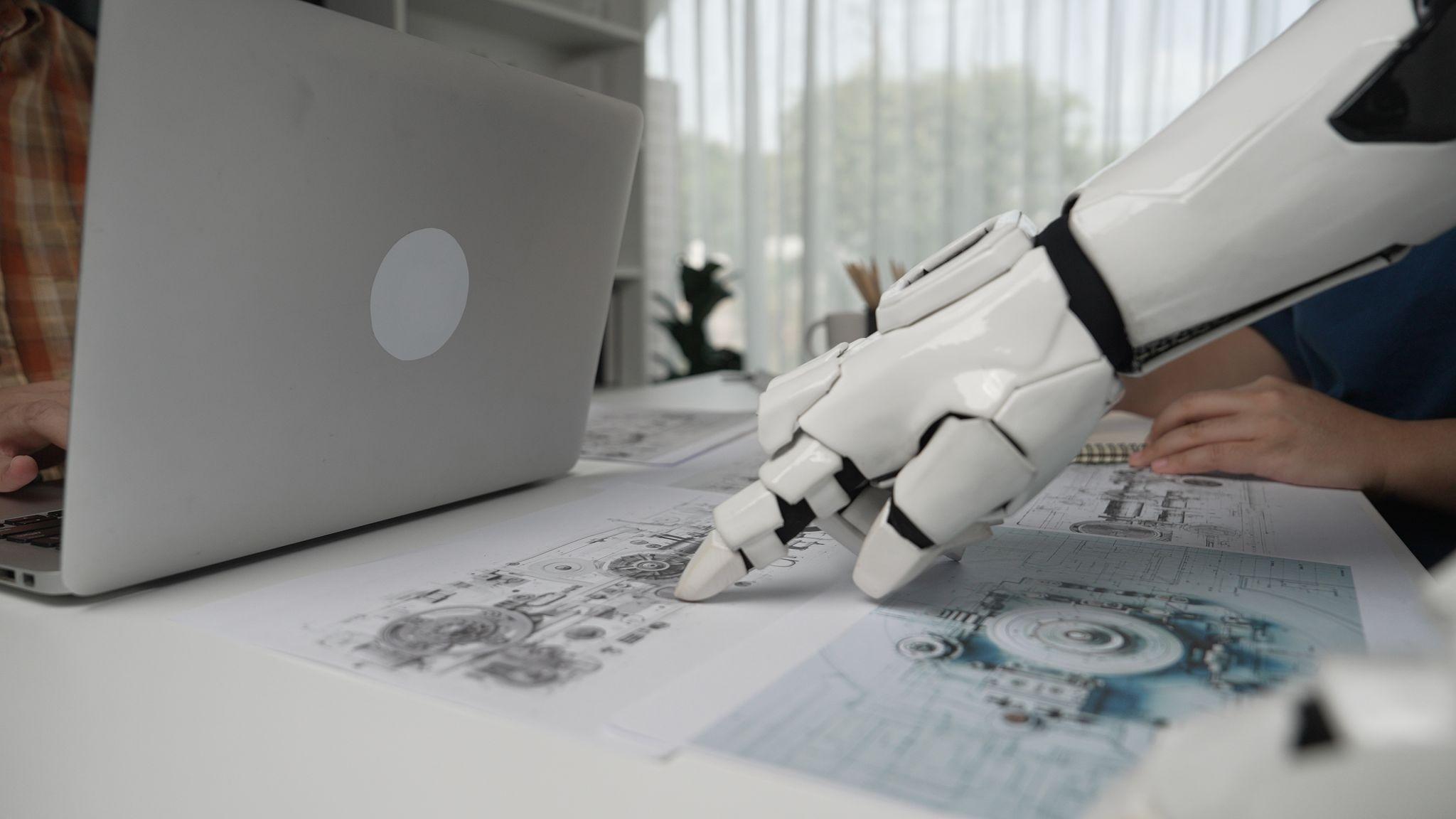
Finding the Balance

AI is not the enemy of human thinking — it can actually enhance it when used wisely.
- The key is balance,
- Use AI as a tool, not a replacement,
- Question the answers you receive,
- Keep practicing independent thinking,
- Treat AI as a starting point, not the final authority,
Final Thought
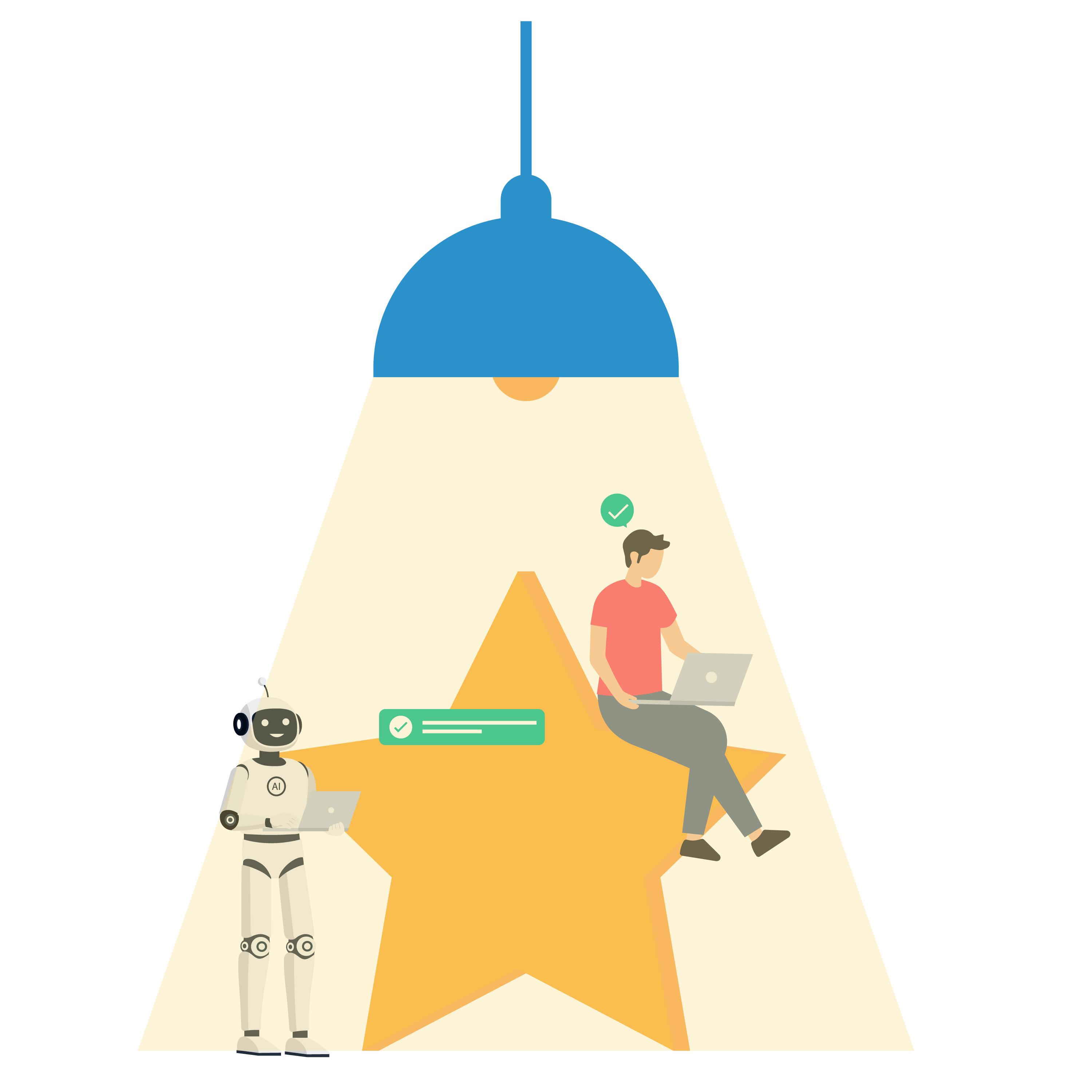
We are not losing our thinking autonomy overnight.
But small habits — like always choosing the easiest answer — can slowly reshape how we think.
The real question isn’t:
Is AI thinking for us?
Are we still choosing to think for ourselves?

How will we look in 50thy years live amongst AI?
Will we still keep our thinking independency and hard working in reaching goals?
Thank you for visit!